Hey there, I’m Jake, and for the last 12 years, I’ve been the go-to guy for folks needing permanent buildings—you know, the kind that stick around way longer than a pop-up shop or a job site shack. Over that time, I’ve heard so many people ask the same question: when you’re building something that’s meant to last, why does the facade matter so much? It’s not just about making it look pretty, right? Spoiler alert: it’s way more than that. As a permanent building supplier, I’ve seen firsthand how a facade that checks all the boxes can save my clients thousands of bucks, avoid legal headaches, and even make their space a place people actually want to use. Let’s break down what you actually need to nail when it comes to facade design for a permanent build, no jargon, just real talk. Permanent Building

First off, let’s get one thing straight: a permanent building’s facade isn’t just a skin—it’s the first line of defense. I’ve had clients come to me with stories of their last temporary build’s facade falling apart after two winters, or water leaking in and ruining their inventory. That’s the last thing you want for something that’s supposed to be around for decades. So first big requirement: weatherproofing that’s built to last, not just checked off a list. Permanent builds have to stand up to way more than a little rain. Depending on where you are, that could be brutal snow loads, coastal salt air that eats away at metal, or super hot sun that fades materials faster than a bad spray tan.
Here’s the thing most people skip: it’s not just picking a waterproof membrane. The facade has to be airtight too. If there’s gaps between panels, warm air seeps out in the winter and cool air escapes in the summer. That means your HVAC system has to work way harder, which translates to higher energy bills every single month. Over 20 or 30 years, that adds up to enough cash for a whole new setup—money you could’ve spent on expanding your business or hiring more staff. I always tell my clients: ask for a facade that’s tested for air permeability. Look for numbers—like how much air leaks per square meter under pressure. If it’s too high, walk away. Cheap facades might look similar at first, but they’ll cost you big long-term.
Next up, structural integrity. This is non-negotiable for permanent buildings. Temporary builds can get away with flimsy frames, but a facade on a permanent one has to handle way more than just its own weight. Think wind loads, especially if your building’s in a high-wind area—like near a mountain or a coastal town. I once had a client in Florida who tried to cut corners on facade panels for a warehouse. A bad storm knocked a panel loose, and it landed on a forklift, totaling it. That was a $15k mistake he could’ve easily avoided by working with a supplier who designs facades to meet local wind codes, not just the minimum.
Also, don’t forget about seismic zones. If your build’s in an area with earthquakes, the facade can’t just be bolted straight to the frame. It needs to have give—special connections that let it move a little without breaking. I’ve seen facades crack so bad during a quake that rain got in and ruined the building’s insulation. That’s a repair bill no one wants. So as a supplier, we always make sure our facade designs are engineered to match the seismic category of the build’s location. It’s extra work, but it’s work that keeps my clients from stressing over whether their building’s going to hold up when it matters.
Then there’s fire safety. Permanent buildings, whether they’re offices, retail spaces, or industrial facilities, have to meet local fire codes, and the facade is a big part of that. I’ve heard people say “it’s just a facade, fire doesn’t spread through that”—nope, not true. If you’re using flammable materials, like certain types of composite panels, a fire can jump from the ground floor to the top floor in minutes. That’s a huge risk, both for people inside and for your investment.
Here’s what I recommend: stick to materials with a fire rating that matches the building’s use. For example, if it’s a residential permanent build, you need a higher fire rating than a small storage unit. Also, make sure there’s no gaps in the facade where smoke or fire can get through. I once had a client who tried to use cheaper panels that had voids inside—during a fire test, smoke seeped through those voids way faster than it should have. We fixed it for him, but that’s a mistake I never want a repeat of. The good news? Most modern facade materials are fire-resistant now, so you don’t have to sacrifice safety for looks.
Wait, let’s talk about energy efficiency too—this ties back to weatherproofing, but it’s a big enough point to highlight on its own. Permanent buildings are expected to be energy-efficient, right? The facade plays a huge role in that. If your facade is made of solid materials that insulate well, you’re not just saving on HVAC—you’re also reducing your carbon footprint, which is a big deal for a lot of my clients these days, especially businesses that market themselves as sustainable.
Another thing: solar heat gain. If your building’s in a hot climate, you want a facade that reflects sunlight, not absorbs it. Dark materials might look sleek, but they soak up heat, making your space hotter and your AC work overtime. On the flip side, in cold climates, you want materials that trap heat. We work with a lot of suppliers that offer insulated facade panels—they have a core of foam or mineral wool that acts like a blanket. I’ve seen clients in cold states cut their winter heating bills by 25% just by switching to insulated facades. That’s a win that pays off every single year.
Now, it’s not all about function—looks matter too, especially if you’re building a permanent space that people will interact with. Like, if you’re a retail store, a boring, drab facade will make people walk right past. If you’re an office building, you want something that looks professional and welcoming. As a permanent building supplier, we work with clients to pick facade materials that fit their brand, without skimping on the functional stuff.
But here’s a key point: aesthetics shouldn’t override durability. I’ve had clients beg for a certain finish that’s way more prone to fading or chipping, and I have to be the bad guy and explain why that’s a bad idea. For example, some high-gloss paints look amazing at first, but after 5 years of sun and rain, they start to peel. We recommend finishes that are UV-resistant, so they stay looking good for 10, 20, even 30 years. Also, think about maintenance. A facade that’s easy to clean—whether it’s metal panels that just need a quick spray or vinyl that wipes clean—will save you so much time and money down the line. No one wants to be on a ladder every few years repainting or replacing panels on a permanent building.
Oh, and accessibility? Wait, how does that tie into the facade? A lot of people miss this, but it’s important for code compliance. For example, if your building has a storefront, the facade can’t have steps or ledges that make it hard for people with wheelchairs or strollers to get in. Also, window placements—if you’re a business, large windows can help with natural light, which is better for employees and customers, and that’s part of the facade design too. We make sure our facade designs align with local accessibility codes, so our clients don’t get fined or have to do costly retrofits later.
Wait, let’s talk about one more big one: environmental impact. Permanent buildings are meant to be around for decades, so using sustainable materials makes sense. A lot of my clients care about this now—they want their building to reflect their values. So the facade should be made of recyclable materials, right? Like aluminum or steel, which can be melted down and reused when the building eventually comes down. Also, some facade materials are made with recycled content—we’ve been using panels that have 30% recycled plastic in them lately, and our clients love that they’re reducing waste.
On the flip side, you don’t want a facade that releases harmful chemicals into the air, either during installation or over time. That’s called off-gassing, and it’s a big deal for indoor air quality. If your facade’s materials off-gas, people inside might get headaches or allergic reactions. We always check for low-VOC (volatile organic compound) materials, which are way safer. It’s a small detail, but it goes a long way in making a permanent building a healthy place to be.
Let me circle back to why this matters so much for a permanent building, not a temporary one. Temporary buildings are designed to be taken down and moved, so their facades are made to be light, cheap, and quick to put up. Permanent buildings? They’re a long-term investment. I’ve had clients who’ve owned their permanent buildings for 25 years, and their facades still look as good as the day we installed them. That’s the difference between doing a job right and cutting corners.
I once had a client who tried to go with a cheaper supplier for a small warehouse. Their facade started leaking after just two years, and they had to repair it for $8,000. If they’d worked with us from the start, that repair cost could’ve been avoided. Plus, their downtime—they had to close part of the warehouse to fix the roof, which meant they couldn’t store inventory, and lost $12,000 in sales. When they came back to us for their next permanent building, I made sure we covered all the facade requirements we talked about today, and they never looked back.
So if you’re planning a permanent building, don’t treat the facade like an afterthought. It’s the most visible part of your building, it protects everything inside, and it will make or break your long-term costs. Here’s a quick checklist to keep in mind: weatherproof and airtight to save on energy bills, structurally sound for wind, snow, and seismic activity, fire-resistant to keep people and property safe, aesthetically pleasing and low-maintenance to fit your brand, accessible to meet codes, and made with sustainable materials for a better impact.
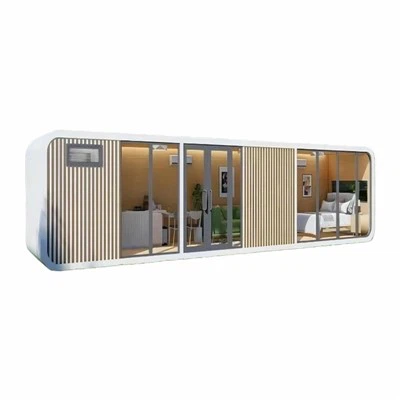
At the end of the day, as a permanent building supplier, my job isn’t just to sell you a building—it’s to make sure it lasts. That means every part, including the facade, has to stand up to the test of time. If you’re in the market for a permanent building and have questions about what your facade needs, or want to go over your specific project details, reach out to me. I’d be happy to walk you through your options, no sales pitch, just honest advice.
Expandable Container References:
- International Code Council. (2021). International Building Code (IBC) Chapter 14: Exterior Walls and Fenestration.
- National Institute of Building Sciences. (2020). Whole Building Design Guide: Facade Design Requirements for Long-Term Structures.
- U.S. Department of Energy. (2022). Energy Efficiency Improvements for Commercial Building Facades.
- National Fire Protection Association. (2021). NFPA 285: Standard Fire Test Method for Exterior Wall Assemblies.
- Sustainable Building Industry Council. (2023). Guide to Sustainable Facade Materials for Permanent Construction.
Shandong Qidi Anzhu International Trade Co., Ltd.
As one of the most professional permanent building manufacturers and suppliers in China, our products have good reputation in the market. Please rest assured to wholesale high quality permanent building for sale here from our factory. We also accept customized orders.
Address: Room 704, Zhexin Plaza, Dongfeng Street No.7666, Kuiwen District, Weifang City, Shandong Province
E-mail: wendy@eco-modulehouse.com
WebSite: https://www.eco-modulehouse.com/
