When I first started working in the feeder cable supply industry 12 years ago, I got a call from a small commercial building manager in Florida. He was dealing with repeated electrical failures on his feeder lines, and every time he fixed the issue, it would just come back a few months later in the same wet corner of his parking garage. Back then, I didn’t have all the answers—but that problem stuck with me, because it wasn’t just about selling a cable; it was about figuring out whether feeder cables could actually hold up in wet locations, and if so, which ones were right for the job. Today, as someone who’s spent thousands of hours testing, installing, and troubleshooting feeder cables in every kind of environment from sun-scorched deserts to coastal flood zones, I still get this question all the time: Is feeder cable suitable for wet locations? The short answer isn’t a simple yes or no—it’s about matching the right cable to the specific wet conditions you’re dealing with, understanding why water damages standard feeder cables, and knowing what features to look for if you need reliable performance in damp or submerged spaces. Let’s break this down, straight from the perspective of a supplier who’s lived through the mistakes and the wins. Feeder Cable
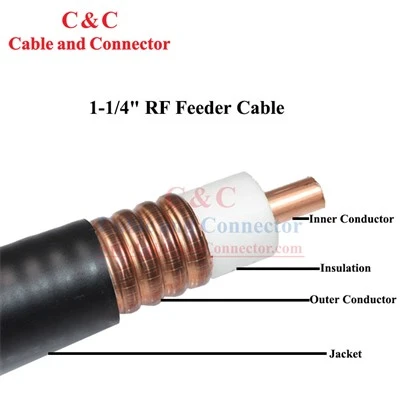
First, let’s talk about what a feeder cable actually does, because that context matters. Feeder cables are the workhorses of electrical systems—they carry high voltage and large amounts of power from the main distribution panel to subpanels, large appliances, or equipment that uses significant electricity. Unlike branch circuit cables that power individual outlets or lights, feeders are sized to handle heavy loads, so their insulation and jacket materials have to be durable enough to support that power capacity year after year. Now, water is one of the biggest enemies of electrical components, and feeder cables are no exception. Here’s why standard feeder cables fail in wet locations: most general-purpose feeder cables are designed for dry or damp locations per national electrical codes, but not for constant exposure to water, condensation, or submersion. When water seeps through the insulation jacket, it can break down the dielectric properties of the insulating material. That means the insulation can no longer contain the electrical current, leading to short circuits, arc faults, or even complete power outages. Over time, water also causes corrosion on the copper conductors inside the cable—even thin corrosion on the strands can raise resistance, which makes the cable run hotter, leading to insulation degradation and a higher risk of fire. I’ve seen this play out firsthand: a customer in Houston installed a standard NM feeder cable in his crawl space, and after a heavy rain, the space flooded for three days. Within six months, the cable had corroded so badly that half the wiring in his home’s HVAC system had to be replaced at a cost of thousands of dollars. That’s exactly the kind of avoidable problem we see when the wrong cable is used in a wet environment.
But here’s the good news: not all feeder cables are created equal. There are specific types of feeder cables engineered specifically for wet locations, and they’re not just overpriced “wet-rated” boxes you can buy off a shelf. Let’s go through the key factors that make a feeder cable suitable for wet locations, starting with the jacket and insulation materials. The most common materials for wet-location feeder cables are cross-linked polyethylene (XLPE), ethylene propylene rubber (EPR), and thermoplastic elastomers (TPE). Unlike the PVC jackets used in many standard feeders, these materials resist moisture penetration, chemical damage, and UV exposure, which is critical for outdoor or frequently damp spaces. XLPE, for example, has exceptional dielectric strength, meaning it can hold up against electrical stress even when fully submerged in water. EPR is flexible and resistant to abrasion, which makes it ideal for areas where cables might be moved or pinched, like under floor plates or along foundation walls. TPE is a newer, more eco-friendly option that balances durability with flexibility, and it’s become popular for applications where aesthetics or easier installation matter too. Another key feature is the cable’s conductor construction: wet-location feeder cables often use tinned copper conductors instead of bare copper. Tinning is a thin layer of solder applied to the copper strands that prevents corrosion, even when the cable is exposed to salt water or standing water for extended periods. I remember a project we worked on a few years ago for a marina in South Carolina, where every feeder cable for the dock lights and boat lifts had to be tinned copper XLPE. The marina manager had replaced standard bare copper feeders every two years due to saltwater corrosion, but with the wet-rated tinned copper lines we supplied, they haven’t had a failure in seven years. That kind of long-term reliability is what makes investing in the right cable worth it, even if it has a slightly higher upfront cost.
Now, it’s important to clarify the different classes of wet locations, because not all wet conditions are the same, and not all wet-rated feeder cables work for every scenario. The National Electrical Code (NEC) defines wet locations as areas where water can freely come into contact with electrical components, including areas that are submerged (like underwater pipelines or fountain lights), areas with constant high humidity (like laundry rooms, steam rooms, or indoor pools), and outdoor areas that are exposed to rain, snow, or standing water (like patios, parking garages, or building foundations). There’s also something called “damp locations,” which are areas that are rarely exposed to direct water, like basements with minor condensation or unventilated attics—these are less harsh than full wet locations, but still require a different cable than dry locations. Standard wet-location feeder cables are rated for either general wet locations or direct submersion, so it’s critical to match the cable to your specific environment. For example, if you’re running a feeder cable to a outdoor sign that only gets occasional rain, a damp-rated XLPE jacket might work, but if you’re running a cable to a fountain pump that’s fully submerged 24/7, you need a cable that’s rated for direct burial or submersion, with a thicker, more durable jacket that resists punctures from rocks or debris. I always tell customers to err on the side of over-rating when it comes to wet environments— it’s much cheaper to buy the right cable once than to replace a failed line mid-project or deal with costly emergency repairs.
Let’s talk about some common mistakes I see customers make when choosing feeder cables for wet locations, because these are the issues that lead to premature failures. The first mistake is cutting corners on upfront cost. A standard feeder cable might be $0.50 cheaper per foot than a wet-rated one, but if that cable fails in three years, you’re looking at the cost of removing and replacing the cable, downtime, and potential damage to other equipment. A restaurant owner we worked with a few years ago decided to use a non-rated feeder cable for his outdoor patio grills to save $200 on materials. Six months later, a rainstorm flooded the patio, the cable shorted out, and the grill system caught fire, causing $15,000 in fire damage to the restaurant. That’s a perfect example of why cheap shortcuts in electrical supplies can turn into disasters. The second mistake is not considering additional environmental factors that amplify wet conditions. For example, if your wet location is also near salt water (like the marina I mentioned earlier) or near chemicals (like a car wash or industrial plant), you need a feeder cable that’s resistant to corrosion or chemical damage, not just moisture. Basic wet-rated XLPE might work for a standard outdoor wall, but it will degrade quickly if exposed to salt spray or cleaning chemicals. The third mistake is improper installation, even with the right cable. A wet-rated feeder cable is only as good as how it’s installed. For example, if you run a feeder cable through a hole in a concrete wall and don’t use a waterproof sealant around the opening, water will still seep into the interior of the building, even if the cable itself is wet-rated. I always work with customers to provide installation guidelines specific to their project, because even the best cable won’t perform well if it’s installed incorrectly.
So, what should you look for when choosing a feeder cable for wet locations? First, check the NEC ratings to make sure it’s rated for wet locations—look for markings like “W” or “USE-2” (Underground Service Entrance, which is rated for direct burial and wet locations) on the cable jacket. Second, confirm the conductor material: tinned copper is non-negotiable for harsh wet environments, while bare copper might work for mild, occasional dampness. Third, consider the jacket and insulation material: XLPE is versatile and works for most wet locations, EPR is better for flexible or high-temperature applications, and TPE is a good eco-friendly option for indoor damp areas. Fourth, make sure the cable is sized correctly for your load—feeder cables need to be sized to handle the maximum current they’ll carry, even in wet conditions where resistance can be slightly higher. As a supplier, I also always recommend getting a cable with a solid outer jacket rather than a stranded outer core if it’s going to be exposed to physical damage, like in a parking garage or along a construction site.
Now, let’s address a common question I get from residential and small business customers: Can I use a branch circuit cable instead of a feeder cable for a wet location? The short answer is no, and here’s why. Branch circuit cables are smaller, designed for lower loads, and their insulation isn’t engineered to handle the high voltage and heat that feeder cables carry. Using a branch circuit cable as a feeder in a wet location will almost certainly lead to overheating, insulation failure, and safety hazards. Feeder cables have extra-thick insulation and durable jackets specifically for heavy loads, so they’re the right choice for powering large appliances, subpanels, and equipment in any environment, wet or dry.
I’ve spent 12 years in this business, and I’ve learned that the best way to serve customers is to be honest about what works and what doesn’t, not just push the most expensive product. When a customer calls me asking if feeder cables are suitable for wet locations, I don’t give them a one-sentence answer. I ask them: What kind of wet conditions are you dealing with? Is it occasional rain, constant submersion, or high humidity? Is the location near salt water, chemicals, or other corrosive materials? What is the load the feeder cable will carry? Based on those answers, I can recommend exactly the right cable that will perform reliably for years, without wasting their money on features they don’t need, or selling them a cable that will fail in six months. Last year, we supplied feeder cables for a new wastewater treatment plant in rural Ohio, where the lines had to run through standing water in the plant’s collection basin. We went with EPR-insulated, tinned copper feeder cables rated for direct submersion, and the plant’s maintenance team told us after a year that there have been zero issues, even through harsh winter freezes and summer floods. That’s the kind of success story that makes this work worth it—knowing that a product we supplied is keeping critical infrastructure running safely, even in some of the harshest wet environments.
At the end of the day, feeder cables are absolutely suitable for wet locations—you just have to pick the right one for your specific application. It’s not a matter of if a feeder cable can handle water; it’s about choosing a cable engineered to stand up to the exact wet conditions your project will face. Whether you’re installing feeders for a residential basement, an outdoor commercial space, a marina, an industrial plant, or any other location where moisture is a concern, there’s a wet-rated feeder cable that will meet your needs, at a cost that makes sense for your budget. If you’re not sure which cable is right for your project, don’t guess—reach out. We’ve worked on projects big and small, from 10-foot residential runs to mile-long industrial lines, and we can help you navigate the codes, materials, and installation requirements to make sure your feeder cable works reliably, safely, and long-term in whatever wet location you’re working in. Whether you need a quick recommendation for a small project or a full design for a large infrastructure build, our team is here to help you find the right solution. Don’t let avoidable electrical failures or safety issues set your project back—connect with us today to discuss your feeder cable needs for wet locations, and we’ll make sure you get the right product and support to get the job done right.
58 Connector References:
National Electrical Code (NEC) 2023 Article 100, 310, 340
Underwriters Laboratories (UL) Standard 83
Wire and Cable Technology, Volume 12, Issue 4, 2019: "Moisture Resistance of Polymeric Insulation for Low-Voltage Cables"
Marine Electrical Journal, 2021: "Corrosion Mitigation in Tinned Copper Feeder Cables for Coastal Applications"
Zhejiang Cable and Connector Optic Co., Ltd.
As one of the most professional feeder cable manufacturers and suppliers in China, we have world-leading production equipment and strong manufacturing capabilities. Please rest assured to wholesale custom made feeder cable at competitive price from our factory.
Address: 1517 East Communications Building, No.398, Wensan Road, Xihu District, Hangzhou City, Zhejiang Province, China.
E-mail: Sales@CableAndConnector.com
WebSite: https://www.zjcableandconnector.com/
