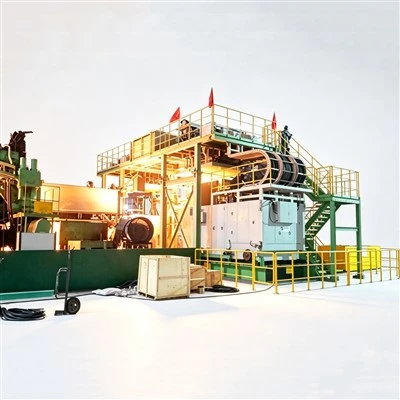
When it comes to the industrial sector, the selection of an induction heating power supply is a crucial decision that can significantly impact production efficiency, quality, and cost. As a seasoned supplier of induction heating power supplies, I’ve witnessed firsthand the varying needs of different industries and the importance of making the right choice. In this blog, I’ll share the key factors that should be considered when selecting an induction heating power supply. Induction Heating Power Supply
Power Requirements
The first and perhaps most fundamental factor is the power requirement. The power of an induction heating power supply determines how quickly it can heat the workpiece and the size of the workpiece it can handle. If the power is too low, the heating process will be slow, leading to reduced productivity. On the other hand, if the power is too high, it not only increases the initial investment but also results in higher energy consumption and operating costs.
To determine the appropriate power, you need to consider the material of the workpiece, its size, and the desired heating rate. For example, heating a large – sized steel workpiece to a high temperature quickly will require a high – power induction heating power supply. In contrast, a small copper part that needs only a moderate temperature increase can be heated with a lower – power unit. It’s also important to note that different materials have different electrical conductivities and magnetic permeabilities, which affect the heating efficiency. Materials with high electrical conductivity, like copper, generally require more power for heating compared to materials with lower conductivity, such as stainless steel.
Frequency Range
The frequency of the induction heating power supply is another critical factor. Different frequencies are suitable for different applications based on the depth of heating required in the workpiece.
- Low – frequency (LF) power supplies (below 1 kHz): These are typically used for applications where deep – penetration heating is needed. For example, in the induction heating of large forgings or billets, low – frequency power supplies can heat the core of the workpiece effectively. Since the electromagnetic field at low frequencies can penetrate deeper into the material, it allows for uniform heating throughout the entire cross – section of the workpiece.
- Medium – frequency (MF) power supplies (1 – 10 kHz): MF power supplies strike a balance between surface and core heating. They are commonly used in applications such as induction hardening of medium – sized parts, where a certain depth of hardening is required below the surface. The medium frequency enables a relatively quick heating process while providing sufficient penetration for the hardening treatment.
- High – frequency (HF) power supplies (above 10 kHz): HF power supplies are mainly used for surface heating applications. For instance, in the case of surface hardening of small precision parts or soldering of electronic components, high – frequency power supplies can heat only the surface layer of the workpiece, minimizing the heat – affected zone and preserving the mechanical properties of the core material.
Heating Uniformity
Heating uniformity is essential for ensuring the quality of the final product. Uneven heating can lead to problems such as inconsistent hardness in induction – hardened parts, poor quality in soldering, or uneven expansion in metal forming processes.
The design of the induction coil plays a vital role in achieving heating uniformity. The shape, size, and number of turns of the coil need to be carefully designed according to the shape and size of the workpiece. For complex – shaped workpieces, custom – designed coils may be required to ensure that the electromagnetic field is evenly distributed around the workpiece. Additionally, the power supply’s control system also affects heating uniformity. Advanced control algorithms can adjust the power output in real – time to compensate for any variations in the heating process, ensuring a consistent temperature across the workpiece.
Efficiency and Energy Consumption
In today’s energy – conscious world, the efficiency of an induction heating power supply is of utmost importance. A highly efficient power supply not only reduces energy consumption but also lowers operating costs.
The efficiency of an induction heating power supply is mainly determined by its circuit design and the quality of its components. Modern power supplies often use advanced semiconductor devices, such as insulated – gate bipolar transistors (IGBTs), which have lower power losses compared to traditional thyristors. Additionally, the control system of the power supply can optimize the power output based on the actual heating requirements, further improving energy efficiency.
When comparing different induction heating power supplies, it’s important to consider their energy efficiency ratings. A higher – efficiency power supply may have a higher initial cost, but the long – term savings on energy consumption can offset this investment.
Reliability and Durability
Industrial environments can be harsh, with factors such as high temperatures, dust, and vibrations. Therefore, the reliability and durability of an induction heating power supply are crucial for uninterrupted production.
A reliable power supply should be able to withstand these environmental conditions without frequent breakdowns. This requires high – quality components, a robust mechanical design, and effective cooling systems. For example, most induction heating power supplies use water – cooled or air – cooled systems to dissipate the heat generated during operation. A well – designed cooling system can ensure that the power supply operates at a stable temperature, extending its lifespan.
In addition, the power supply should have built – in protection mechanisms to prevent damage from over – current, over – voltage, and over – temperature conditions. These protection features can not only protect the power supply itself but also prevent damage to the workpiece and other equipment in the production line.
Control and Automation
In modern industrial production, the ability to integrate the induction heating power supply into an automated production line is highly desirable. A power supply with advanced control capabilities can be easily integrated with other equipment, such as robots, conveyors, and temperature sensors, to achieve a fully automated heating process.
The control system of the induction heating power supply should allow for precise adjustment of power, frequency, and heating time. This enables operators to set up the heating parameters according to the specific requirements of each workpiece. Some advanced power supplies also support remote monitoring and control, which allows operators to monitor the heating process and make adjustments from a remote location.
Cost – effectiveness
Cost is always a significant consideration when selecting an induction heating power supply. However, the cost should not be the only factor. Instead, it’s important to consider the overall cost – effectiveness, which includes the initial purchase price, operating costs, maintenance costs, and the expected lifespan of the power supply.
A lower – priced power supply may seem attractive at first, but if it has low efficiency, poor reliability, or limited functionality, it may end up costing more in the long run. On the other hand, a high – end power supply with all the latest features may be too expensive for some applications. Therefore, it’s important to find a balance between cost and performance based on your specific needs.
After – sales Service
After – sales service is an often – overlooked but crucial factor. A good supplier should provide comprehensive after – sales support, including installation, training, maintenance, and repair.
During the installation process, the supplier’s technicians should be able to ensure that the power supply is properly installed and integrated into the existing production line. Training programs should be provided to operators to ensure that they can operate the power supply safely and efficiently. In case of any breakdowns or technical problems, the supplier should respond promptly and provide on – site or remote support to minimize downtime.
In conclusion, selecting the right induction heating power supply requires careful consideration of multiple factors. As a supplier of induction heating power supplies, I understand the diverse needs of different industries and am committed to helping our customers make the best choice. By taking into account power requirements, frequency range, heating uniformity, efficiency, reliability, control and automation, cost – effectiveness, and after – sales service, you can select an induction heating power supply that meets your specific requirements and maximizes your production efficiency.
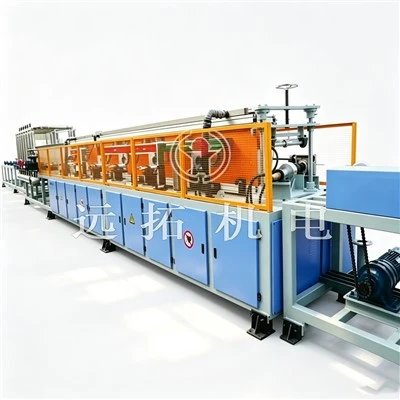
Steel Plate Induction Heating Production Line If you are interested in learning more about our induction heating power supplies or discussing your specific needs, please do not hesitate to contact us. We look forward to the opportunity to assist you in your procurement decision.
References
- E. F. N. Cunha, I. Ferreira, and C. A. Silva, "Induction Heating: From Theory to Practice," Springer, 2018.
- J. G. Kassakian, M. F. Schlecht, and G. C. Verghese, "Principles of Power Electronics," Addison – Wesley, 1991.
- R. W. De Doncker, "Power Electronics Handbook," Academic Press, 2011.
Hebei Yuantuo Electromechanical Equipment Manufacturing Co., Ltd.
As one of the most professional manufacturers and suppliers of induction heating power supply in China, our products have good reputation in the market. Please rest assured to buy advanced equipment made in China here and get quotation from our factory. Customized orders are welcome.
Address: Yanshan Street West and Jialingjiang Road North, Economic and Technological Development Zone, Wuqiao County, Cangzhou City, Hebei Province, China
E-mail: yuantuotech01@gmail.com
WebSite: https://www.yuantuoem.com/
