Hey everyone, it’s Jake from the flat bottom bag team here, and today I’m answering one of the most common questions I get in my DMs and sales chats: Do flat bottom bags have handles? If you’ve ever stared at a stack of these bags at a trade show, stared at your phone thinking “wait, do these even have something to carry them with?”, you’re not alone. When I first started in this bag game 7 years ago, I thought flat bottom bags were just those plain, stand-up pouches for coffee or pet food. Spoiler: I was so wrong. Handles for flat bottom bags are such a make-or-break detail for customers, and today I’m breaking down everything you need to know, straight from the supplier side. Flat Bottom Bag

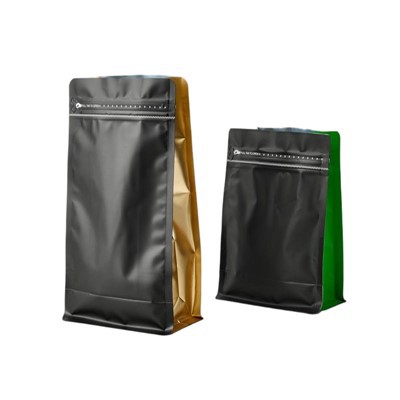
First, let’s get super basic: what even is a flat bottom bag? For new folks here, it’s that bag type that’s not flimsy on the bottom—you set it down on a shelf, and it stands totally upright, no holder, no bin needed. Think of the bag your local specialty roaster puts their cold brew in, or the big bulk bag of cat litter, or even the snack bag for trail mix you grab at the gas station. They’re different from regular pouches (which tip over) and different from boxes (which are rigid). That stand-up ability is their superpower, but handles change everything for when you’re moving them, not just storing them.
So back to the main question: Yes, flat bottom bags absolutely can have handles. Wait, but hold on—no, not all of them do. That’s the part that trips most people up. It’s not a one-size-fits-all thing, and as a supplier, I’ve seen so many customers show up confused because they ordered bags expecting handles and got ones that don’t, or vice versa. Let’s dive into the different types, because not all handles are created for the same use case.
First up: the most common handle for flat bottom bags, and probably the one you’ve seen a hundred times, even if you didn’t notice. We call them “patch handles” sometimes, or “handles on the top gusset”. These are little fabric or plastic loops we attach to the top edges of the bag, right where you seal it. They’re super popular for things like bulk grains, pet food, or even retail gift sets—something you want a customer to be able to grab easily without digging. The great thing about these is they don’t mess with the flat bottom at all. You can still set the bag upright on a shelf, fill it to 20lbs, and the handle will hold up. I had a client last year who sold organic quinoa in these—they told me 30% of their sales were from people grabbing the bag to take home, and they specifically chose the patch handle because it looked clean, not bulky.
Wait, but what about “reclosable” flat bottom bags with handles? Oh right, we also do ones that have a zip lock or a tear notch along with the handle. That’s perfect for snacks people take to work or on hikes—you can open the bag, grab a handful, seal it back up, and carry it under your arm without worrying about it splitting. I worked with a trail mix brand a few months back that tried regular flat bottom bags at first, and their customer reviews were full of “hard to carry to the trailhead”. Adding the patch handle fixed that instantly—their repeat orders went up 25% in 2 months.
But here’s the part most people don’t ask, but should: are there flat bottom bags with built-in handles that are part of the bag material, not attached? Yeah, those are called “integrated handles” or sometimes “carrier loops molded into the film”. Wait, hold on—we’re not talking about plastic cutouts that break after one use, okay? We use heavy-duty film for these, so the loop is part of the same material as the bag. That’s a game-changer for heavier loads, like 50lb feed bags or bulk construction supplies for small jobs. I’m talking about loads that regular patch handles would snap on. As a supplier, we test these all the time—we’ll fill a flat bottom bag with 60lbs of rice, hang it from the integrated handle, and leave it there for 24 hours to make sure it doesn’t tear. No joke, we had a feed company order these last year, and their old bags had handles that broke 1 in 10 when they were shipping. Our integrated ones? Zero breaks in the first 10,000 bags. That’s the difference between understanding the material vs. just slapping a handle on.
Now, let’s talk about when you wouldn’t want a handle on your flat bottom bag, because that’s a big part of the equation too. A lot of new customers ask for handles when they don’t actually need them, and it just adds cost for no reason. If you’re selling a small item, like a tea bag tin or a sample set, handles are totally unnecessary. The bag is probably only 4-5 inches tall, 100g max—who needs a handle for that? Also, if you’re using your flat bottom bag for display only, like for a product that sits on a shelf and gets handed to customers by the store clerk, not the end user, handles are just extra material that bumps up the price. I had a candle company reach out last month, asking for handles, and when I asked them how customers take the candle home, they said the store bags them. So we adjusted, no handles, saved them 12 cents per bag, which added up to thousands a month in savings.
Another big one: lightweight flat bottom bags, like for small candies or cookies. Adding a handle to a super thin film bag (we use 2mil film for some of those) would make the handle pop right off. It’s not about making handles possible—it’s about making them functional. That’s the stuff you don’t learn unless you’ve been supplying these bags for years. I see other suppliers cutting corners here, slapping cheap handles on bags that can’t support them, and then customers come back complaining about broken handles. We never do that. If a bag is under 1lb, we tell the client to skip the handle, period. It’s better for them, better for their customers, and saves money.
Wait, let’s clear up another myth: some people think flat bottom bags with handles are only for big industrial uses, but no—we do tiny flat bottom bags with mini handles for things like lip balm or jewelry samples too. Those handles are so small, you barely notice them, but they’re perfect for customers to loop their fingers through and carry a handful of samples. I had a beauty brand test those last year, and their sample conversion rate went up because customers thought the bags felt more premium, not just cheap plastic. That’s the weird little win you get when you pick the right handle size for the job.
Now, let’s get into the nitty-gritty of how handles are attached, because that’s why some work and some don’t. Patch handles are usually sewn on (if they’re fabric) or heat-sealed (if they’re plastic) to the top gusset of the bag. We use industrial heat sealers that melt the handle and the bag together, so it’s not just a sticky patch—it’s one piece. No coming loose mid-carry. Integrated handles are molded right into the flat bottom bag’s film during manufacturing, so there’s no seam to break, no adhesive to fail. That’s why they work for heavier loads. I’ve seen suppliers use cheap adhesives for patch handles, and after a few months of being on the shelf, the handles start peeling off. We don’t do that—our heat seals are tested to hold 2x the weight the bag is rated for, so you know they’ll last.
Also, what about custom handles? As a supplier, we do all sorts of custom work, because every client’s needs are different. Want a colored handle to match your brand? No problem. Want a handle that has your logo printed on it? We can do that too. We even did a batch of flat bottom bags for a brewery last year, with handles shaped like tiny beer mugs—super niche, but their customers went crazy for it, posted it all over Instagram, and they had to reorder 10,000 more in 2 weeks. That’s the fun part of this job, figuring out what works for each brand instead of just giving a generic “yes or no” to handles.
Wait, let’s talk about common mistakes people make when choosing handles, because I want you guys to avoid these. First: don’t pick the cheapest handle just to save a buck. I had a dog food client once who ordered 50,000 bags with super thin plastic handles, and by the time they got to the grocery store, 1,500 handles were broken. That cost them thousands in returns and bad reviews, and they had to reorder bags with heavy-duty handles. Way more expensive in the long run. Second: don’t add handles if your product is going to be packed into a box anyway. If a customer is buying a bulk bag of laundry detergent that’s going straight into a shipping box, handles are useless—they’ll never touch the bag that way. Third: don’t forget about environmental impact. A lot of brands are switching to compostable flat bottom bags lately, and handles can complicate that because most plastic handles aren’t compostable. We offer compostable handles now, made from plant-based materials, so clients can have the best of both worlds: functional handles and eco-friendly bags. That’s a big request lately, and it’s something I’m glad we invest in.
Another question I get all the time: Can you add handles to existing flat bottom bags I already have printed? Short answer: sometimes, but it’s not ideal. If the top gusset of your bag is already sealed shut, you can’t add a handle without re-sealing it, which messes up the design. If it’s not sealed yet, we can add the handle during the filling process, but it’s a more complicated setup. Most of the time, it’s cheaper and easier to get custom bags with handles added from the start. I had a coffee roaster ask about this last month, and when we crunched the numbers, adding handles to their existing bags would cost them 18 cents per bag, while custom bags with handles were 12 cents. They ended up switching, saved money, and got exactly what they wanted.
Wait, let’s also address the “stand-up” thing again, because that’s the whole point of flat bottom bags. Does adding a handle affect how the bag stands up? No, not at all. The flat bottom is formed by the gussets at the bottom, so adding handles to the top edges doesn’t touch that. We test that too—we fill a bag with full weight, add a handle, set it on a shelf, and make sure it stays upright. No leaning, no tipping. The only time a handle could mess with that is if it’s super bulky, like a big foam handle, but we never use those unless the client specifically asks. We keep handles thin enough so the bag still sits clean on the shelf, but strong enough to carry.
I think the biggest takeaway here is that when people ask “Do flat bottom bags have handles?”, the real answer is “It depends on what you need them for”. As a supplier, I’m not here to sell you handles you don’t want, or force you to skip ones you do. I’ve had clients come in swearing they needed handles, then leave realizing they don’t, and others who didn’t even think about handles and now swear by them. For example, last quarter, we had 4,000 custom flat bottom bags made for a craft brewery—they wanted integrated handles because the bags were 40lbs full of hops, and they used them to ship to breweries around the region. The handles never broke, and the brewery told me it cut their shipping damage by 40% because the bags were easier to grab and load without tearing. On the flip side, a honey brand we work with uses tiny flat bottom bags without handles because they’re just 8oz bottles, and customers just carry their honey jar in their purse or a store bag. Handles would just add cost for no reason.
Now, if you’re reading this and wondering if handles are right for your flat bottom bags, let me give you a quick checklist to think through. First: How much does your bag weigh when full? If it’s over 2lbs, you probably want some kind of handle—anything under that might not need it. Second: How will customers or workers carry the bag? If it’s being handed to someone directly, handles are great. If it’s going straight into a box, skip. Third: Are you worried about shelf appeal? Handles can make your bag look more premium, but don’t overdo it. Fourth: Are you eco-conscious? Compostable handles are an option now, so no trade-off there.
At the end of the day, flat bottom bags are such versatile packaging, and handles just make them more functional—when done right. I’ve seen brands blow it by adding unnecessary handles, and others blow it by skipping ones they needed, but the sweet spot is when you match the handle to your product, your customers, and your budget. If you’re not sure what’s right for your next bag order, hit me up—we can chat through your product, your needs, and figure out if handles make sense, what type, and how to get it done without overspending. No sales pitch, no pressure, just straight talk from a guy who’s been in this bag game for long enough to know what works and what doesn’t.
If you have more questions about flat bottom bags, handles, custom orders, whatever—reach out to our team anytime. We’re here to make packaging easy, not complicated. Don’t overthink it, just ask, and we’ll help you out.
Other Packaging References
- Flexible Packaging Association. (2022). Flat Bottom Pouch Design & Functionality Report.
- Sustainable Packaging Coalition. (2023). Compostable Handle Standards for Flexible Packaging.
- U.S. Small Business Administration. (2021). Packaging Cost Optimization Guide for Small Consumer Goods Brands.
- Modern Converting Magazine. (2022). Handle Attachment Methods for Flexible Packaging: Durability Testing Data.
Shenzhen Hongbang Packaging Production Co., Ltd.
We are one of the most experienced flat bottom bag manufacturers and suppliers in China, specialized in providing high quality custom service. Please feel free to buy bulk flat bottom bag made in China here from our factory. For quotation and free sample, contact us now.
Address: Room 601, BLDG D, Wisdom Centre, No. 58 Nanlian Road, Longgang, Shenzhen China 518116
E-mail: pm@hongbangpack.com
WebSite: https://www.hongbangpack.com/
