If you’ve ever stared at an SWRO (Seawater Reverse Osmosis) unit humming away on a dock, on an offshore rig, or in a remote coastal town, you’ve probably wondered the same thing: can this thing just run 24/7 without stopping? I get asked this all the time—usually by plant managers pulling double shifts troubleshooting downtime, or small business owners trying to keep desal costs low without burning out their gear. As someone who’s been selling and servicing SWRO & BWRO (Brackish Water Reverse Osmosis) equipment for the last 12 years, I’ve seen way too many people treat these systems like they’re indestructible, or like turning them off and on is the only way to avoid breakdowns. Let’s break this down straight, no fancy jargon, no corporate fluff. SWRO & BWRO Equipment
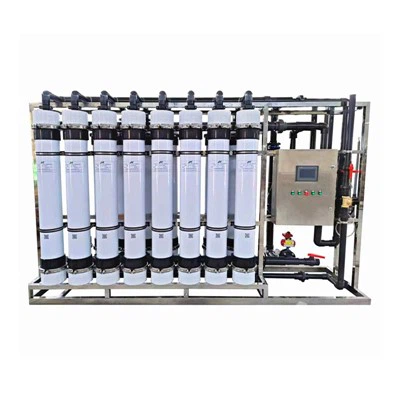
First, let’s get one thing clear: continuous operation isn’t a flaw in SWRO systems—it’s exactly what they’re designed for… kind of. The core job of an SWRO unit is pushing saltwater through semipermeable membranes at really high pressure (think 800-1,200 psi, for context). If you shut it down regularly, that pressure drops, and something weird happens: the salts and gunk that got pushed out of the water start to fall back onto the membrane surface. That’s called scaling or fouling, and it’s the number one killer of RO membranes. If you run the unit nonstop, even with minor fouling, the continuous high pressure keeps that gunk from sticking as bad, and the flow of brine (the saltwater waste) flushes most of it away. I’ve had customers run their SWRO units nonstop for 3-5 years without replacing the membranes, and others who shut theirs down every night for a few months have to swap membranes every 18 months. That’s not a coincidence.
But wait—“continuous” doesn’t mean “set it and forget it 24/7 without any adjustments.” I see this mistake all the time. A customer will call me panicking because their SWRO went down, and they say, “I just ran it flat out for six months.” No, that’s not how it works. Even the toughest high-pressure pumps and motors in our equipment can’t run 100% load 24/7 without some breathing room. Think of your car: you can drive it nonstop across the country, but if you never let the engine idle or cool down, it’ll overheat. Same for SWRO. The sweet spot for continuous operation is usually running at 85-95% of the unit’s rated capacity, not maxing it out. That keeps the pressure stable, reduces strain on the pump, and still gives you enough brine flow to fight fouling. We design every SWRO unit we sell with a built-in pressure regulator and a low-flow bypass, so if the feed water (the seawater coming in) is a little warmer or saltier than usual, it automatically adjusts to keep things from getting too stressed.
Now, what about the exceptions? Because nothing in life is one-size-fits-all. Let’s say you’re in a place where seawater has a ton of sediment—like near a river delta where runoff dumps silt and mud into the ocean. If you run your SWRO nonstop without pre-filtration, that silt will clog the pre-filters in a day, and then it’ll start gunking up the membranes so bad that even continuous flow can’t fix it. Another big one: if your power supply is super unreliable. If you have to shut the unit down for hours every day because of a blackout, firing it back up cold is harder than you think. When RO membranes are cold, they’re a little stiffer, so the sudden pressure spike when you turn the pump back on can tear tiny holes in the membrane. I had a customer in the Philippines last year who had to shut down his unit for 4 hours every night because of power cuts, and he was going through a membrane set every year. We swapped out his standard membranes for low-pressure, flexible ones, and he was able to run them even during those startup spikes, and now he’s at 2.5 years between swaps. Also, if you’re doing maintenance—you can’t run the unit while you’re replacing a pre-filter or cleaning the system, that’s obvious, but I’ve seen guys try to do both and mess up both the maintenance and the unit.
Wait, another myth: people think BWRO is different, and it is, but not in the way you’d think. BWRO is for brackish water, which is less salty than seawater, so lower pressure (around 200-400 psi). It’s more prone to biological fouling—like algae or bacteria growing on the membranes—when it’s shut down. So for BWRO, continuous operation is even better than with SWRO, because the constant flow of water prevents that biofilm from taking hold. I’ve got a small brewery in Texas that runs their BWRO unit nonstop for the water they use for beer, and they haven’t had to do a deep membrane clean in 4 years. They tried shutting it down on weekends to save electricity, and within 3 weeks, they had a biofouling issue that required a $2,000 chemical clean. That saved them like $100 in electricity, cost them $2,000. Not a great trade.
So here’s the truth we drill into every customer when they buy an SWRO or BWRO unit from us: yes, you can operate it continuously, but only if you do it right. What does “right” mean? First, size the unit for your actual demand. A lot of people buy a unit that’s too big for their needs, so they run it at half capacity all the time, which lets gunk sit on the membranes instead of being flushed away. We do a free site assessment (no obligation, by the way) to figure out exactly how much water you need, what the feed water quality is like, and if your power is reliable, so we can size it perfect. Second, stick to a regular pre-filter change schedule. Most pre-filters are supposed to be changed every 3-6 months, no matter if you run the unit or not. I’ve seen a pre-filter so clogged it turned black, and that gunk worked its way into the main membrane in a week. Third, check the pressure gauges every month. If the operating pressure jumps 10% or more, that’s a sign of fouling, and you can fix it with a gentle chemical clean instead of waiting until it’s broken.
Also, don’t sleep on winter or extreme temperature changes. If you’re running an SWRO in a cold climate, seawater gets colder and thicker, so the unit has to work harder to push it through membranes. Running it nonstop in winter is fine, but you might need to bump up the brine flow a little to keep salts from scaling, which our units let you do with a simple control panel adjustment. I had a customer in Norway who thought his unit was broken every winter because production dropped 20%, but it was just the cold water—he adjusted the brine flow and went back to normal.
What about if you have to shut it down for a longer period—like a maintenance shutdown, or a holiday where no one needs water for a week? Don’t just turn it off and walk away. Flush the system with clean water, add a preservative solution (we sell it, it’s cheap), and seal the membranes so they don’t dry out. If you let a RO membrane dry out, it’s pretty much toast—they get brittle and crack. I had a guy last year who left his BWRO unit off for two weeks while he went on vacation, no preservative, and he had to replace the membranes for $3,500. That’s a weekend trip for nothing, basically.
Let’s talk about real-world examples, because numbers make it real. A desalination plant I consult for in the Middle East runs their 10,000 gpd SWRO unit nonstop, 365 days a year, for 7 years now. They do monthly pressure checks, change pre-filters every 4 months, and deep clean membranes every 2 years. Their membrane cost is $0.0015 per gallon of water produced. A nearby plant of the same size that shuts down every night cuts their membrane life in half, so their cost is $0.003 per gallon. That’s double the cost, all because of unnecessary shutdowns.
Another example: a small coastal town in Mexico that used to run their SWRO unit 8 hours a day, 5 days a week, to save money. They had frequent outages, brown water sometimes, and complaints from residents about high water bills. We reconfigured their unit to run continuously at a lower, more efficient capacity, added a booster pump to stabilize pressure, and now they run it 24/7, their water quality is way better, and their overall operating cost (electricity plus membrane costs) is 12% lower than before. They used to think continuous operation was more expensive, but they had it backwards.
Wait, I know what some of you are thinking: “What if I can’t run it nonstop because of electricity costs?” That’s a valid point, especially for small operations or remote areas with expensive power. The trick here isn’t shutting the unit down—it’s sizing it correctly to run at your average demand, not peak demand. Most people size their SWRO unit for the highest water use they’ll ever have (like a weekend when everyone is home), so it’s running at 50% capacity during the week, which is inefficient. If you size it for your average daily use, run it continuously, and use a storage tank to hold water for peak times, you’ll save on electricity and avoid fouling. I’ve had a farm in Australia do this—they used to run their SWRO 12 hours a day, now they run it 24/7, have a 50,000-gallon storage tank, and their electricity bill went down 20%, plus their membranes last 2 years longer.
Let’s wrap this up with what I tell every customer picking out SWRO or BWRO equipment: Continuous operation isn’t a luxury feature—it’s the most reliable way to keep your unit running long-term, cut costs, and get consistent, clean water. But it’s not “set it and forget it.” You need the right setup, regular small checks, and a plan for when you do have to shut it down. If you’re not sure if your current setup can handle continuous run, or if you’re in the market for a new SWRO/BWRO unit that’s built to handle nonstop operation without burning out the pump or membranes, hit us up for a chat. No sales pitch, no pressure—just 12 years of experience helping people avoid the mistakes I’ve seen hundreds of others make.
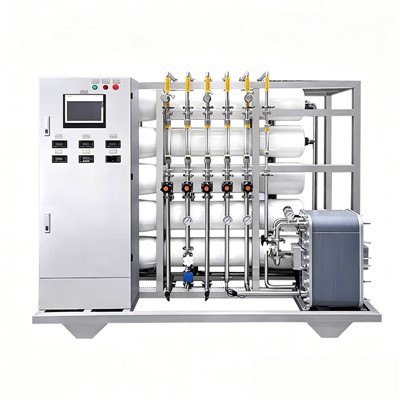
At the end of the day, SWRO and BWRO systems are workhorses, but they only work right if you treat them right. Running them nonstop isn’t about being tough on them—it’s about giving them the constant, consistent conditions they need to do their job for years, not months. Don’t let old myths or bad advice make you think shutting them down is the safer bet. 9 times out of 10, the opposite is true.
Industrial RO Equipment References
- Membrane Technology and Research, Inc. (2021). Seawater Reverse Osmosis (SWRO) Operation and Maintenance Best Practices.
- American Water Works Association. (2019). Brackish Water Reverse Osmosis (BWRO) System Performance and Longevity.
- International Desalination Association. (2022). Guidelines for Continuous Operation of Reverse Osmosis Desalination Systems.
Shandong Yanuo Environmental Protection Equipment Co., Ltd.
We’re well-known as one of the leading swro & bwro equipment manufacturers and suppliers in China, featured by quality products and good price. Please rest assured to buy bulk swro & bwro equipment made in China here from our factory. Customized orders are welcome.
Address: North Side of the Road, 1,000 Meters West of the Intersection of Fenghuangshan West Road and Provincial Highway S102, Wangfu Subdistrict, Qingzhou City, Weifang City, Shandong Province.
E-mail: ynhb.499973983@gmail.com
WebSite: https://www.zkyaruo.com/
