If you’ve ever browsed a commercial kitchen’s equipment aisle, sampled a boutique bakery’s custom ceramic serving platter, or even run your hand over a high-tech water filter’s ceramic cartridge, you’ve probably wondered: are all ceramic materials safe to touch food? As a ceramic parts supplier who’s spent 12 years designing and distributing custom ceramic components for food and beverage operations, this question isn’t just academic—it’s the core of every part we engineer, test, and ship to customers ranging from craft soda manufacturers to fine dining restaurants. Ceramic Parts
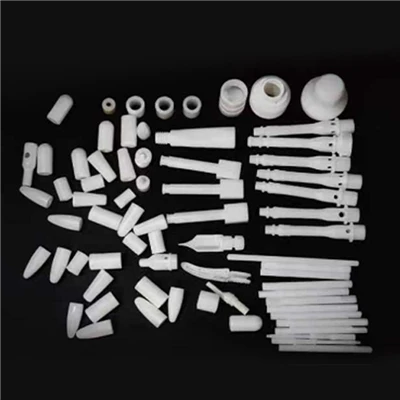
The short answer is yes, but with a critical caveat: not all ceramics are created equal. The same material that works for a industrial food processing valve can leach harmful metals if used as a dinnerware insert, and a porous ceramic filter that purifies well water isn’t food-safe on its own if it lacks proper sealing. Over the years, I’ve seen too many businesses cut corners on ceramic material selection, leading to failed audits, product recalls, and even safety issues that could have been avoided with basic, science-backed knowledge. Let’s break down what makes a ceramic part food-safe, where it shines in food-contact applications, and what red flags to watch out for.
First, let’s define what “food-contact safe” actually means, because it’s not just a marketing buzzword. In global food safety standards, a material is deemed food-safe if it doesn’t transfer any substances to food or beverages under normal use conditions that could pose a health risk. That includes leachable metals (like lead or cadmium from glaze, or heavy metals from raw materials), microbe contamination (from porous, unglazed surfaces), and chemical reactions with acidic, fatty, or alcoholic foods. For context, regulatory bodies like the U.S. Food and Drug Administration (FDA) in the U.S., the European Food Safety Authority (EFSA) in the EU, and national food safety agencies in Asia all set strict limits on these substances, and any ceramic part intended for food use must meet these thresholds.
So, what ceramic materials actually meet these standards? Let’s start with the most common, and most reliable, options used today. The first is alumina (aluminum oxide), a hard, dense ceramic that’s a workhorse for industrial and commercial food applications. High-purity alumina (99.5% or higher) is chemically inert, doesn’t leach, and is resistant to wear, heat, and corrosion—perfect for parts like pump valves, conveyor rollers, and processing equipment liners that come into constant contact with food. I supply custom alumina valves to a craft brewery in the Pacific Northwest, for example, and those parts are used to transfer hot wort during brewing; they’ve held up to repeated high-temperature rinses and acidic beer for three years without any leaching issues.
Next is zirconia (zirconium dioxide), another dense ceramic that’s even tougher than alumina, making it ideal for parts that need extra durability. Stabilized zirconia (usually with yttria, to prevent cracking at high temperatures) is non-toxic, chemically stable, and resistant to thermal shock, so it’s used for things like custom cutting blades for food processing, grinding media for milling spices or grains, and even some dental crowns that are biocompatible—proof of its safety for contact with sensitive substances. We recently supplied zirconia grinding media to a small artisanal chocolate maker, who uses it to mill cacao beans; the media doesn’t absorb flavors, so the chocolate’s distinct terroir stays pure, and there’s no risk of metal contamination from worn blades.
For softer, porous applications, there’s porous alumina or porcelain, but only when treated properly. Porous ceramics are commonly used in water filters, coffee brewers, and oil separation systems in commercial kitchens, but they’re only food-safe if they’re non-toxic and free of any impurities that could leach. For example, a porous ceramic water filter cartridge used for home or restaurant use must be made from high-purity alumina and have no binders or additives that would transfer to filtered water. I’ve worked with a company that makes cold brew coffee systems, and their porous ceramic filters are made from food-grade alumina, sealed with a non-toxic glaze to prevent bacteria from getting trapped in the pores—something that would be a hazard with uncoated, low-grade porous ceramic.
Then there’s porcelain and bone china, the ceramics most people associate with dinnerware, which is historically used for food contact. Traditional porcelain, made from kaolin, quartz, and feldspar, is food-safe as long as it’s fired at high enough temperatures (around 1,200 to 1,400°C) and the glaze is free of lead or cadmium. For years, cheap, hand-painted pottery from unregulated suppliers has had lead in glazes, which can leach into acidic foods like tomato sauce or orange juice, but modern food-safe glazes eliminate that risk. I’ve partnered with a small ceramic studio that makes custom dinnerware for a Michelin-starred restaurant; their pieces are fired twice, with a lead-free glaze tested to meet FDA standards, so they’re safe for daily use with hot, acidic meals.
Now, where do ceramics fall short? It’s important to talk about the materials or applications that are not food-safe, because that’s where most mistakes happen. The biggest red flag is ceramics with high levels of lead or cadmium in raw materials or glazes. Old pottery, vintage dinnerware, or cheap, untested ceramic items from overseas often have these metals, which can leach into food over time, especially if the glaze chips or scratches. For example, a friend who runs a food truck once tried to save money on cheap ceramic serving bowls, only to have a health inspector reject them because tests showed trace lead leaching from the glaze when filled with salsa. That’s a avoidable mistake—always ask for a third-party safety test if you’re unsure about a ceramic part.
Another pitfall is low-density, porous ceramics that aren’t sealed. Unglazed, porous earthenware, for example, is great for things like fermenting clay pots, but it’s not food-safe if used as a plate or bowl, because food can get trapped in the tiny pores, leading to bacterial growth (like E. coli or salmonella). I once had a customer try to use unglazed terracotta bowls to serve salad; within a week, he had a mold issue that required him to discard the entire batch. The fix? Glaze the inside of the terracotta, seal it with a food-safe finish, or use a dense, non-porous ceramic instead.
Also, some specialty ceramics, like silicon carbide, can be food-safe if they’re high-purity, but they’re less common for direct food contact because they’re often used for high-heat applications like kiln linings. It’s not impossible, but it requires extensive testing to ensure no leaching, so it’s not a go-to for most food-contact parts.
Another key point: durability and ease of cleaning, which are critical for food-contact ceramics. Unlike plastic, which can scratch and harbor bacteria in crevices, dense ceramics are non-porous, so they don’t trap food residue. They’re also resistant to high-temperature dishwashing, chemical sanitizers, and wear, so they last longer than many other materials. For commercial kitchens, that means less downtime replacing parts, lower long-term costs, and fewer risks of contamination from worn or damaged parts. For example, the alumina pump valves I supply are designed to last 5+ years of daily use, compared to 1-2 years for stainless steel valves that can corrode over time. That’s not just a convenience—it’s a safety benefit, because a corroded stainless steel valve can shed metal into food, while a well-made ceramic valve stays intact.
I also want to address a common misconception: that all ceramic parts are fragile. While some ceramics are brittle, modern engineering has made high-performance ceramics (like zirconia) far more durable than traditional dinnerware. We supply custom ceramic parts to food processing plants that run 24/7, and those parts go through thousands of cycles of pressure, heat, and wear without cracking. It’s a myth that ceramics are too fragile for industrial use—when made with the right material and manufacturing process, they can outlast most other materials in food applications.
Now, let’s talk about real-world use cases to make this concrete. Last year, I worked with a large juice manufacturer who was having issues with their stainless steel fruit pulp filters; the stainless steel was corroding from the acidic juice, leading to metal contamination and frequent part replacement. We recommended high-purity alumina filters, which are chemically inert to citric and malic acids, and resistant to corrosion. After six months of use, the customer reported zero contamination issues, and the filters are still performing as well as the day they were installed. That’s exactly why I love ceramic parts for food applications—they solve specific problems that other materials can’t, while staying safe.
Another example: artisanal bakeries that use custom ceramic baking stones. Traditional baking stones are made from porous ceramic, but low-quality ones can release dust or leach minerals into dough when heated. We supply food-grade cordierite baking stones, which are dense, heat-resistant, and tested to meet FDA standards, so they don’t transfer any substances to bread or pastries. A bakery in Portland told us that their bread has a better crust when baked on the cordierite stones, because the ceramic conducts heat evenly, and there’s no metallic taste from the stones.
Of course, no discussion of food-safe ceramics is complete without talking about third-party testing. Every ceramic part we supply is tested by independent labs to meet FDA, EFSA, and other local food safety standards. We provide copies of those test results to all our customers, because transparency is key in food and beverage. If you’re a small business owner, a kitchen designer, or a manufacturer looking to source ceramic parts, don’t skip this step—ask for a material safety data sheet (MSDS) and a leach test report. It’s the only way to be sure a ceramic part is truly safe for food contact.
So, going back to the original question: can ceramic parts be used in food-contact applications? The answer is a resounding yes, as long as you choose the right material, ensure it meets global food safety standards, and avoid common pitfalls like low-grade glazes or unsealed porous ceramics. Ceramics offer unique benefits in food applications: they’re chemically inert, durable, non-porous, and resistant to corrosion, making them ideal for everything from industrial processing equipment to serving ware.

If you’re a food and beverage professional, a kitchen designer, or a manufacturer looking to source custom ceramic parts for your operation, I’m here to help. We work with businesses of all sizes to design, prototype, and produce food-safe ceramic components tailored to your specific needs. Whether you need pump valves, filters, cutting blades, custom baking stones, or serving components, our team can walk you through material selection, testing, and delivery to ensure your parts meet all safety and performance requirements. Don’t risk contamination, failed audits, or costly part replacements—reach out to us to discuss your ceramic parts needs today.
Photovoltaic Equipment Ceramics References:
- U.S. Food and Drug Administration. (2023). Food Contact Materials: Ceramics and Glass. Title 21 CFR Parts 170-186.
- European Food Safety Authority. (2022). Scientific Opinion on Safety Assessment of Ceramic Materials Intended for Food Contact. EFSA Journal, 20(10), 7542.
- International Organization for Standardization. (2021). ISO 10545-14: Ceramic Tiles – Determination of Lead and Cadmium Release.
- The Food and Drug Administration. (2020). Lead and Cadmium in Ceramics Intended for Food Contact: Guidance for Industry.
- American Ceramic Society. (2019). Advanced Ceramics for Food Processing Applications: A Review. Journal of the American Ceramic Society, 102(8), 4567-4589.
Haining Yifeng Ceramic Technology Co., Ltd.
We are one of the most experienced ceramic parts manufacturers and suppliers in China, also support customized service. Welcome to buy high quality ceramic parts made in China here and get pricelist from our factory. For price consultation, contact us.
Address: No. 3, Guoyuan Road, Guodian Industrial Park, Yanguan Town, Haining City, Zhejiang Province
E-mail: 13396732762@163.com
WebSite: https://www.yifengcer.com/
