Bonding carbon fabric to other materials is a crucial process in various industries, from aerospace to automotive and sports equipment. As a carbon fabric supplier, I’ve seen firsthand the importance of getting this process right. In this blog, I’ll share some insights on how to bond carbon fabric to other materials effectively. Carbon Fabric

Understanding Carbon Fabric
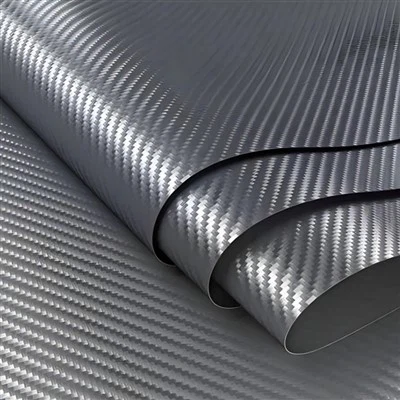
Before delving into the bonding process, it’s essential to understand the properties of carbon fabric. Carbon fabric is made from carbon fibers, which are known for their high strength-to-weight ratio, stiffness, and resistance to corrosion. These properties make carbon fabric an ideal material for applications where lightweight and high performance are required.
Carbon fabric comes in different forms, including woven and non-woven. Woven carbon fabric has a regular pattern of interlacing fibers, which provides better strength and stability. Non-woven carbon fabric, on the other hand, is made by randomly arranging carbon fibers, which gives it a more flexible and conformable nature.
Choosing the Right Bonding Method
There are several methods for bonding carbon fabric to other materials, each with its own advantages and disadvantages. The choice of bonding method depends on the type of materials being bonded, the application requirements, and the available equipment.
Adhesive Bonding
Adhesive bonding is one of the most common methods for bonding carbon fabric to other materials. It involves using an adhesive to create a strong bond between the carbon fabric and the substrate. Adhesive bonding offers several advantages, including:
- High strength: Adhesives can provide a strong bond between the carbon fabric and the substrate, which can withstand high loads and stresses.
- Flexibility: Adhesives can be used to bond carbon fabric to a variety of substrates, including metals, plastics, and composites.
- Easy to apply: Adhesives can be applied using a variety of methods, including brushing, spraying, and laminating.
However, adhesive bonding also has some disadvantages, including:
- Curing time: Adhesives require a certain amount of time to cure, which can delay the production process.
- Surface preparation: The surface of the substrate and the carbon fabric must be properly prepared before applying the adhesive to ensure a strong bond.
- Environmental factors: Adhesives can be affected by environmental factors such as temperature and humidity, which can affect the strength and durability of the bond.
Mechanical Bonding
Mechanical bonding involves using mechanical fasteners such as screws, bolts, and rivets to join the carbon fabric to the substrate. Mechanical bonding offers several advantages, including:
- High strength: Mechanical fasteners can provide a strong bond between the carbon fabric and the substrate, which can withstand high loads and stresses.
- Easy to install: Mechanical fasteners can be easily installed using standard tools.
- Removable: Mechanical fasteners can be easily removed if necessary, which allows for easy maintenance and repair.
However, mechanical bonding also has some disadvantages, including:
- Weight: Mechanical fasteners add weight to the structure, which can reduce the overall performance of the application.
- Stress concentration: Mechanical fasteners can create stress concentrations at the points of attachment, which can lead to premature failure of the structure.
- Limited flexibility: Mechanical fasteners are not suitable for applications where flexibility is required.
Thermal Bonding
Thermal bonding involves using heat to melt a thermoplastic resin or adhesive to create a bond between the carbon fabric and the substrate. Thermal bonding offers several advantages, including:
- High strength: Thermal bonding can provide a strong bond between the carbon fabric and the substrate, which can withstand high loads and stresses.
- Fast process: Thermal bonding can be completed quickly, which can reduce the production time.
- Good adhesion: Thermal bonding can provide good adhesion between the carbon fabric and the substrate, which can improve the overall performance of the application.
However, thermal bonding also has some disadvantages, including:
- High temperature: Thermal bonding requires high temperatures, which can damage the carbon fabric and the substrate.
- Limited materials: Thermal bonding is only suitable for certain types of materials, such as thermoplastics and thermosetting resins.
- Equipment requirements: Thermal bonding requires specialized equipment, which can be expensive.
Surface Preparation
Surface preparation is a critical step in the bonding process. The surface of the substrate and the carbon fabric must be clean, dry, and free of contaminants to ensure a strong bond. Here are some steps for surface preparation:
- Cleaning: The surface of the substrate and the carbon fabric should be cleaned using a solvent or a cleaning agent to remove any dirt, oil, or grease.
- Sandblasting: Sandblasting can be used to roughen the surface of the substrate to improve the adhesion of the adhesive.
- Priming: A primer can be applied to the surface of the substrate to improve the adhesion of the adhesive.
Bonding Process
Once the surface preparation is complete, the bonding process can begin. Here are the steps for bonding carbon fabric to other materials using adhesive bonding:
- Apply the adhesive: The adhesive should be applied to the surface of the substrate using a brush, spray, or roller.
- Place the carbon fabric: The carbon fabric should be placed on the adhesive-coated surface of the substrate and pressed firmly to ensure good contact.
- Cure the adhesive: The adhesive should be cured according to the manufacturer’s instructions. This may involve heating the bond or allowing it to cure at room temperature.
Quality Control
Quality control is an important part of the bonding process. Here are some steps for quality control:
- Visual inspection: The bond should be visually inspected to ensure that there are no gaps, bubbles, or other defects.
- Strength testing: The bond should be tested for strength using a tensile testing machine or other appropriate testing equipment.
- Environmental testing: The bond should be tested for environmental factors such as temperature, humidity, and chemical exposure to ensure that it can withstand the conditions of the application.
Conclusion
Carbon Fabric Bonding carbon fabric to other materials is a complex process that requires careful consideration of the materials, the bonding method, and the surface preparation. As a carbon fabric supplier, I can provide you with the high-quality carbon fabric and the technical support you need to ensure a successful bonding process. If you’re interested in purchasing carbon fabric or have any questions about the bonding process, please contact me to discuss your requirements.
References
- Callister, W. D., & Rethwisch, D. G. (2018). Materials Science and Engineering: An Introduction. Wiley.
- Strong, A. B. (2008). Plastics: Materials and Processing. Pearson Prentice Hall.
- Welding Handbook: Volume 2, Welding Processes. (2010). American Welding Society.
Jiaxing Rongjin Intelligent Technology Co., Ltd.
As one of the most professional carbon fabric suppliers in China, we have world-leading production equipment and strong manufacturing capabilities. Please rest assured to buy high quality carbon fabric in stock here from our factory. Contact us for quotation.
Address: No.503, Building 1, Xicundai Road 228, Honghe Town, Xiuzhou District, Jiaxing City, Zhejiang Province, China
E-mail: vivi@rongjinsmart.com
WebSite: https://www.carbonfibers-china.com/
