Hey everyone, it’s Jake from your go-to deionized (DI) water system supplier. I get it—most of you only think about your DI setup when you’re cranking out batches of pure water for lab tests, industrial rinsing, or even that niche hobby you’re into (no judgment, I’ve seen some wild stuff with aquarium DI systems). But here’s the thing I’ve been telling every client that walks through my door or hits me up on Slack: how you store your DI system when it’s not in use is way more important than most people realize. Mess that up, and you’re looking at clogged filters, tainted resin, or even a system that’s basically useless when you need it next. I’ve seen it happen too many times—someone shoves their unit in a corner for a month, pulls it out, and suddenly their water has weird conductivity spikes, and they’re panicking because they have a critical experiment or order due. Today, I’m breaking down exactly what you need to do to store your DI system right when it’s offline—no fancy jargon, just real stuff I’ve learned working with DI systems for years. Deionized Water System
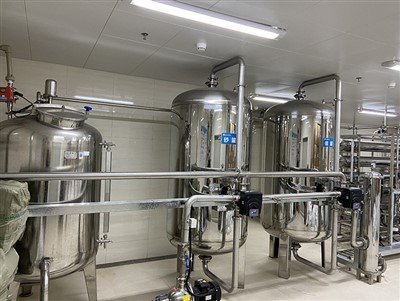
First, let’s get one basic rule out of the way: you can’t just leave water sitting in your DI system. I know, I know—you think “it’s deionized, it’s pure, it’s fine.” Wrong. Pure water is actually super aggressive. It doesn’t have any minerals or additives to stabilize it, so it’ll leach tiny particles from your filter housings, resin beds, even the tubing if you leave it in there too long. Plus, if your system’s sitting in a warm spot (like a utility closet that gets direct sun, or a garage that hits 85°F in the summer), that stagnant water becomes a breeding ground for bacteria and mold. Those microbes will attach to your resin beads and filters, and when you fire the system back up, they’ll get flushed into your pure water—total disaster. I once had a biotech client call me in a panic because their stored DI system had grown enough biofilm to clog the entire resin bed, costing them a week of work on a new drug trial. They tried to skip the water flush step and just stowed it—never again.
So, step one when you’re planning to store your system: actually remove all the old water first. Don’t just turn it off and leave it hooked up to the feed line, don’t just empty the tank and leave pipes full—get every drop out. How you do that depends on the type of DI system you have, by the way. If it’s a point-of-use (POU) unit for small labs or hobbyists, it’s usually pretty straightforward: shut off the feed water, unplug the unit, then open every valve, including the pressure relief valve on the filter housing and the drain valve. If it’s a larger industrial system for manufacturing, you might need to run a quick “dry purge” cycle. Most of our commercial systems have a manual purge mode—you hit that, and it pulls air through the resin and filters to blow out all the residual water. I always tell industrial clients to do that purge for 2-3 minutes, not 30 seconds—rushing it means you’re leaving water stuck in the bottom of the resin tank, and that’s exactly where bacteria love to hide. Pro tip: if you don’t have a purge mode, get a small, clean air compressor (not one you use for painting cars—you don’t want oil residue) and blow air through the ports. Just keep the pressure low, like 10-15 PSI, so you don’t crack the plastic housings.
Next up: don’t leave your filters and resin exposed to air when they’re dry. Wait, that sounds contradictory, right? You just got all the water out, now you’re worried about air? Here’s the thing: when DI resin beads sit exposed to air, they start to dry out, and once they get hard, they don’t regenerate properly when you use the system again. I’ve seen residential clients let their POU system sit for two months, then complain their new carbon filter turned black and the resin beads crumbled when they opened the housing. The fix here is simple: seal the system up, but not airtight. If you leave it completely closed, any tiny bit of moisture left inside will get trapped and cause mold. So, for smaller POU units, you can loosely cover the filter housing vents (if they have any) with a clean paper towel or lint-free cloth—enough to keep dust out, but enough air flow to prevent moisture buildup. For larger systems, I usually tell clients to loosen the valve caps or leave one of the tubing connections slightly unclipped (don’t disconnect it entirely) to let a little air circulate. That way, you avoid two big headaches: dry resin and trapped moisture.
Where you store your DI system matters just as much as how you prep it. Don’t stick it in a damp basement, don’t leave it outside in the cold (freezing water will expand and crack your filter housings, I’ve had so many clients learn that the hard way), and definitely don’t put it next to chemicals like cleaning supplies or fertilizers. Those fumes will seep into the plastic and resin, contaminating everything when you use the system again. The ideal spot is a cool, dry, temperature-stable area—like a closet in your lab, a climate-controlled storage room, or even a shelf in your office that stays between 50°F and 75°F. If you’re storing it for longer than 3 months, I also like to add a small desiccant packet inside the system’s main housing. You can grab these at any hardware store—just make sure they’re food-safe or lab-grade, not the ones for shipping electronics (some have weird additives). They’ll soak up any extra moisture that might sneak in, no extra work needed.
Wait, what if you have a reverse osmosis (RO) + DI system? A lot of clients have those, and the DI part is usually the delicate one when it comes to storage. The pre-filters and RO membrane can sit with a little water in them if you’re only storing for a couple weeks, but the DI resin? Still needs to be dry. I always advise people to disconnect the DI cartridge entirely if you’re storing the whole unit for more than a month. Seal that DI cartridge in a plastic bag (not airtight—leave a tiny opening) and store it in the same cool, dry spot. If you leave the DI resin inside the RO unit, even if you blow out all the water, the tubing might hold onto a little moisture that gets to the resin. Separating it is just an extra layer of protection. I once had a school lab that stored their RO/DI unit for 6 weeks, left the DI in, and when they fired it back up, the water conductivity was through the roof. Turns out, moisture had seeped through the tubing and turned the resin slightly acidic, messing up its ability to remove ions. Disconnecting the DI cartridge would have saved them hundreds of dollars in new resin.
Another big mistake people make: not prepping the system’s exterior for storage. It’s easy to wipe down the inside, but dust, dirt, and grime on the outside of the unit can get sucked in when you use it again, clogging filters and introducing contaminants. Take 5 minutes to wipe down the entire unit with a mild, non-abrasive cleaner—nothing with bleach or harsh chemicals, that’ll leave residue. Dry it completely, then if you’re storing it for more than a month, cover it with a clean, plastic or cloth cover. Not only does that keep dust out, it also protects it from accidental bumps if you’re storing it in a busy storage area. I always tell clients not to use garbage bags for covers—they’re too tight, trap moisture. Grab a cheap, breathable dust cover, or even a clean bed sheet, if you’re on a budget.
How long can you actually store a DI system before you have to do some maintenance? That’s a question I get all the time, and it depends on a few things: how well you prepped it, the storage conditions, and the type of resin you use. If you do all the steps I mentioned—fully purge water, seal loosely, store in cool dry spot—you can leave it for up to 6 months without major issues. But if it’s been over 6 months, you should test the resin before using it again. Run a small batch of water, check the conductivity. If it’s higher than your system’s normal output, that means the resin has degraded a bit and needs to be replaced. If you stored it in a damp spot, even 2 months might be too long, so test no matter what.
When you’re ready to pull your DI system back into service, don’t just plug it in and start making water. Do a quick check first: make sure all valves are closed, no leaks in the tubing or housings, and if you removed the DI cartridge, reconnect it properly. Flush the system for 5-10 minutes before using the water for anything important—this will get rid of any leftover air in the lines, and make sure the resin is reactivated. If you notice weird tastes or smells during the flush, that’s a sign you missed a step in the storage prep—no big deal, just do a second flush and check again. If it’s still off, you might need to replace one of the filters or the resin, and that’s what I’m here for.
At the end of the day, storing a DI system isn’t rocket science. It’s just about being intentional, not cutting corners. I’ve seen so many people waste hundreds, even thousands of dollars because they skipped a 5-minute step to empty the water, or stuck the unit in a damp basement. If you’re not sure how to prep your specific system for storage, or you need to replace filters or resin after it’s been sitting, just reach out. I’m always here to help—no sales pitch, just real advice from someone who’s been in the DI water game for years. Whether you’re a small lab technician, an industrial operations manager, or a hobbyist who just needs pure water for your setup, we can hook you up with the right supplies and troubleshooting. Don’t let bad storage habits ruin your workflow—hit me up and let’s make sure your DI system is ready to go when you need it.
Ultra Pure Water System References:
- "DI Water System Storage Best Practices", Water Quality Association, 2022.
- Industrial Water Treatment: Deionization and Reverse Osmosis, 3rd Edition, McGraw Hill, 2021.
- "Biofilm Growth in Stored Water Systems", Journal of Environmental Engineering, Vol. 147, No. 6, 2021.
- "Resin Degradation in Deionization Systems", American Water Works Association, 2020.
Shenzhen Jkon Environmental Protection Technology Co., Ltd.
As one of the most professional deionized water system manufacturers and suppliers in China, we’re featured by quality products and good service. Please rest assured to buy customized deionized water system made in China here from our factory. Contact us for more details.
Address: Shanghenglang Industrial park, Daloang Street, Longhua District, Shenzhen, China
E-mail: sales@jkontech.com
WebSite: https://www.jkontech.com/
